Intended use OF "S-8 KOM-BE"
Unguided aviation rocket S-8KOM-BE is from the class "air to surface" and it is intended for destruction of:
- Аrmored ground targets (tanks, self-propelled artillery, armored vehicles and armored personnel carriers);
- Unarmored ground targets (specialized machines, radar stations, airplanes and helicopters on the ground etc.);
- Enemy troops;
PURPOSE OF "S-8 KOMBE"
Unguided aviation missile - S-8KOMBE is of the "air-to-ground" class and is designed to hit:
- Armored ground targets (tanks, self-propelled artillery, armored vehicles and armored personnel carriers);
- Unarmored ground targets (specialized machines, radar stations, airplanes and helicopters on the ground etc.);
- Enemy troops;

For a detailed introduction to the device, functioning, operation and rules for safe use of the UAM S-8KOMBE, as well as for working with the B-8-0, B-8M, B-8M1, B8B20-A, B-8B7 and B- 8C7 it is necessary to use the relevant technical manuals.
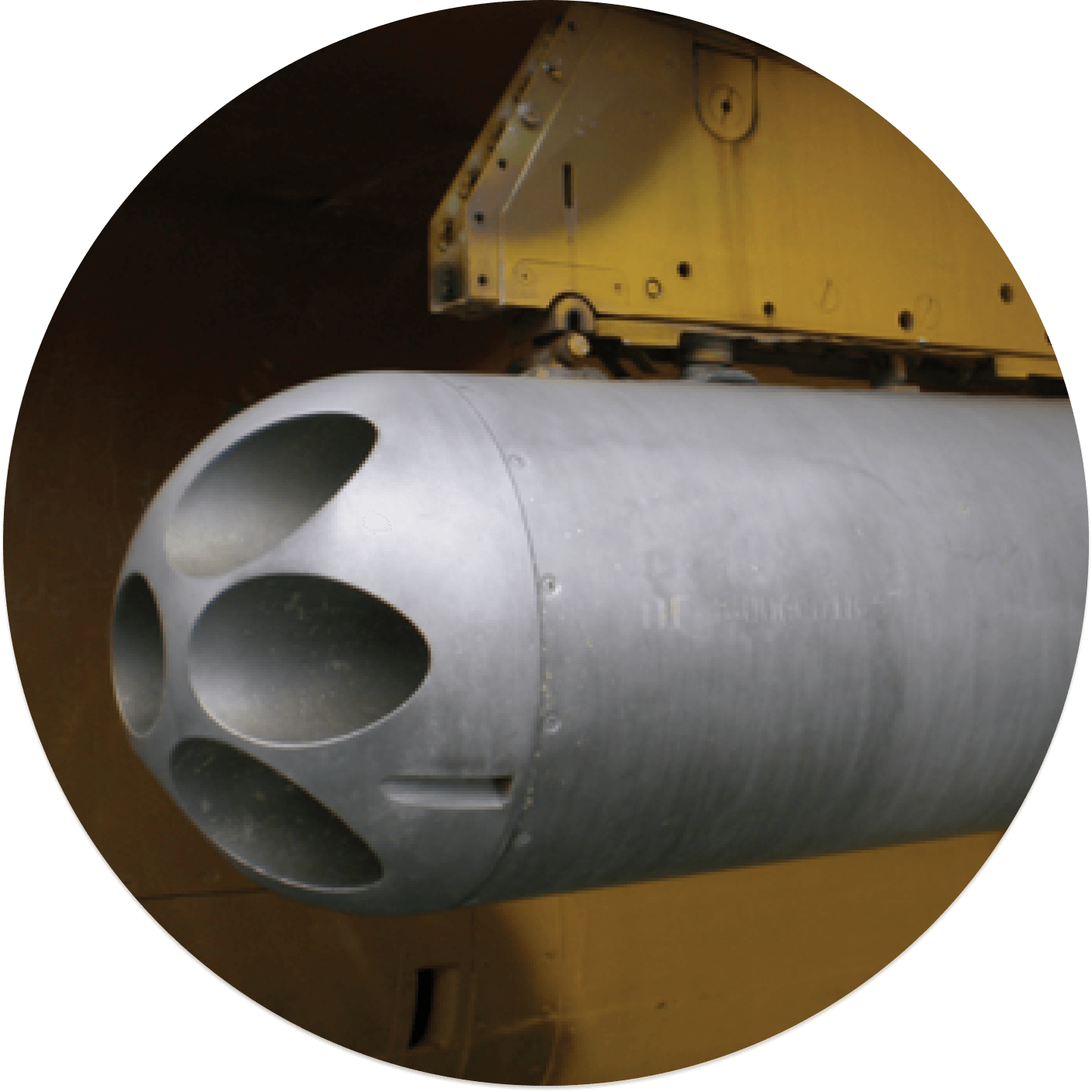

UNGUIDED AVIATION ROCKET S-8 KOMBE
when firing from an aircraft, mrad 3
when shooting from a helicopter, mrad 8
from 213 to 333 (-60 to +60)
Maximum speed, m/s 600
Armor penetration, mm ≥ 400
Amount of shards with mass ≥ 3g, бр. ≥ 400
cumulative-fragmentary
piezo-electric
Device and principle of operation of the rocket
The racket is delivered fully assembled, ready to use and does not require any checks or adjustments.
S-8 KOMBE maintains combat and operational characteristics when operating in the temperature range from -60oC to +60oC.
Before use, it is necessary to check the integrity of the package and the conformity of the markings on the package and on the rocket.
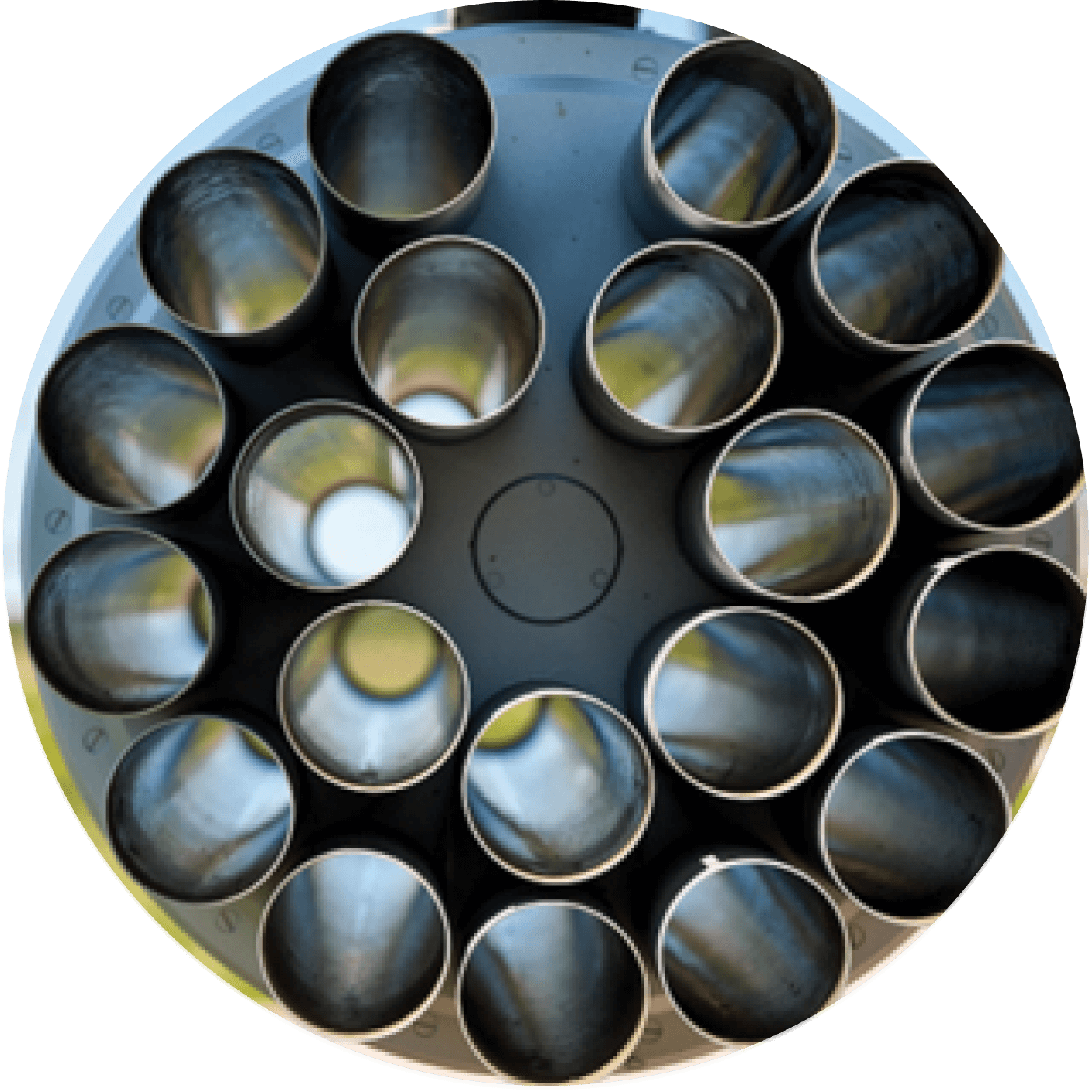
The S-8KOMBE unguided air missile is part of the unguided armament of Russian-made airplanes and helicopters that use blocks B-8, B-8-0, B-8M, B-8M1, B8B20-A, B-8B7 and B- 8C7.
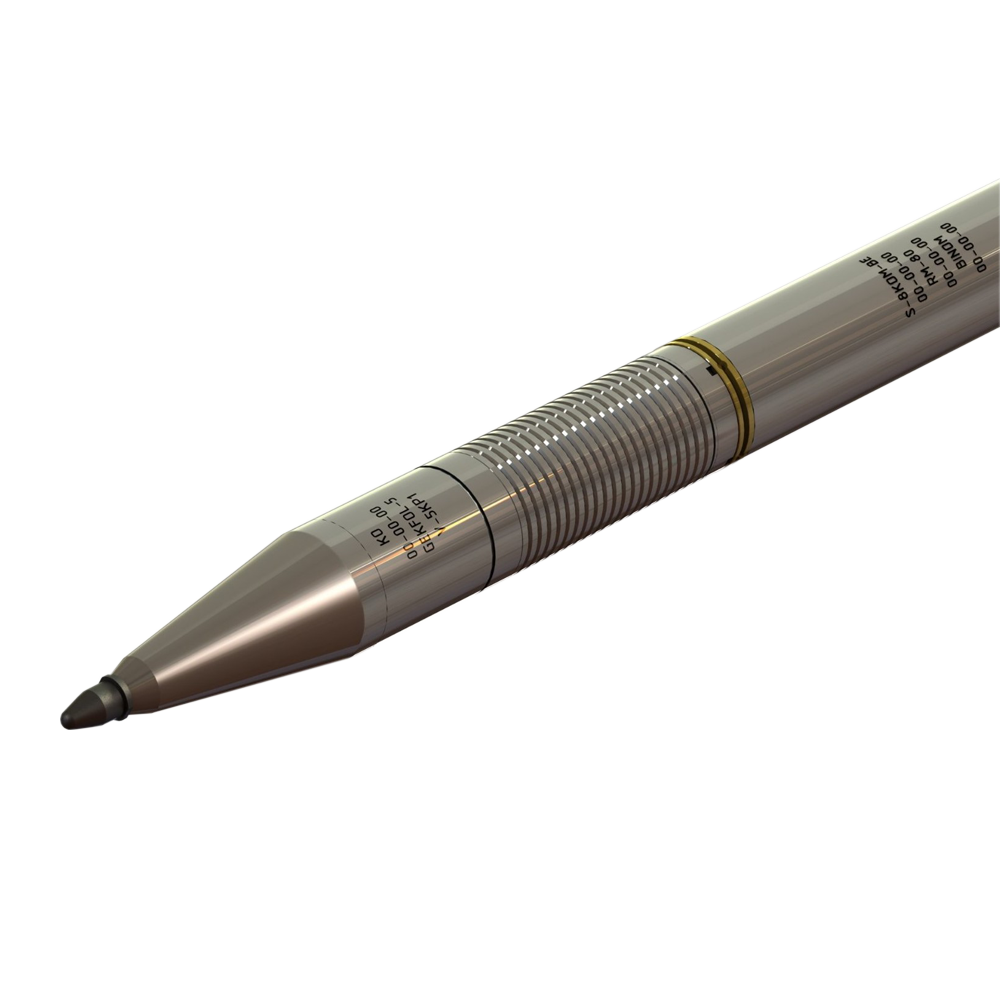
The S-8KOMBE unguided aviation rocket (fig. 1) consists of a cumulative-fragment warhead,
pos.1 and rocket engine, pos.2.
The S-8KOMBE unguided aviation rocket (fig. 1) consists of a cumulative-fragment warhead,
pos.1 and rocket engine, pos.2.
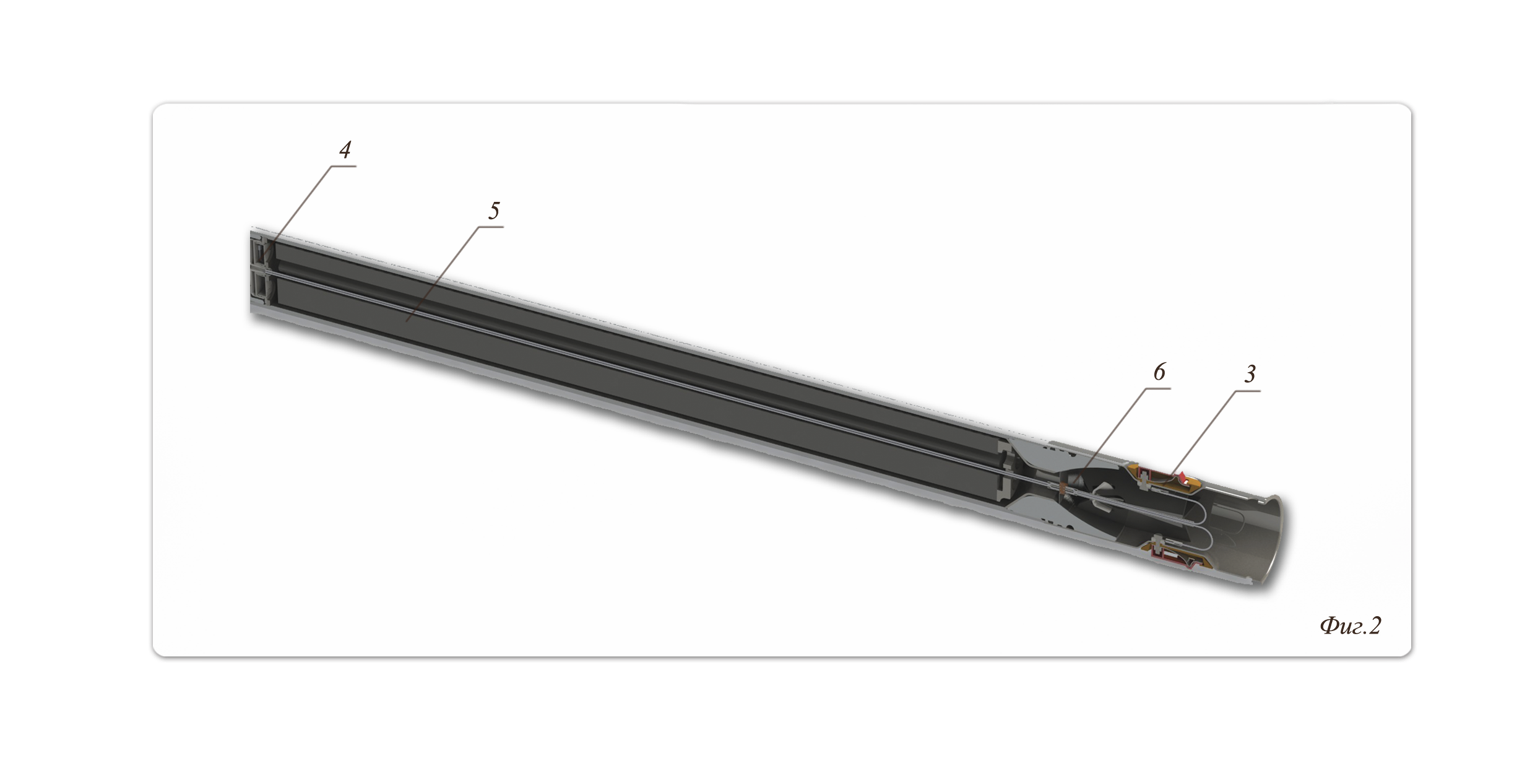
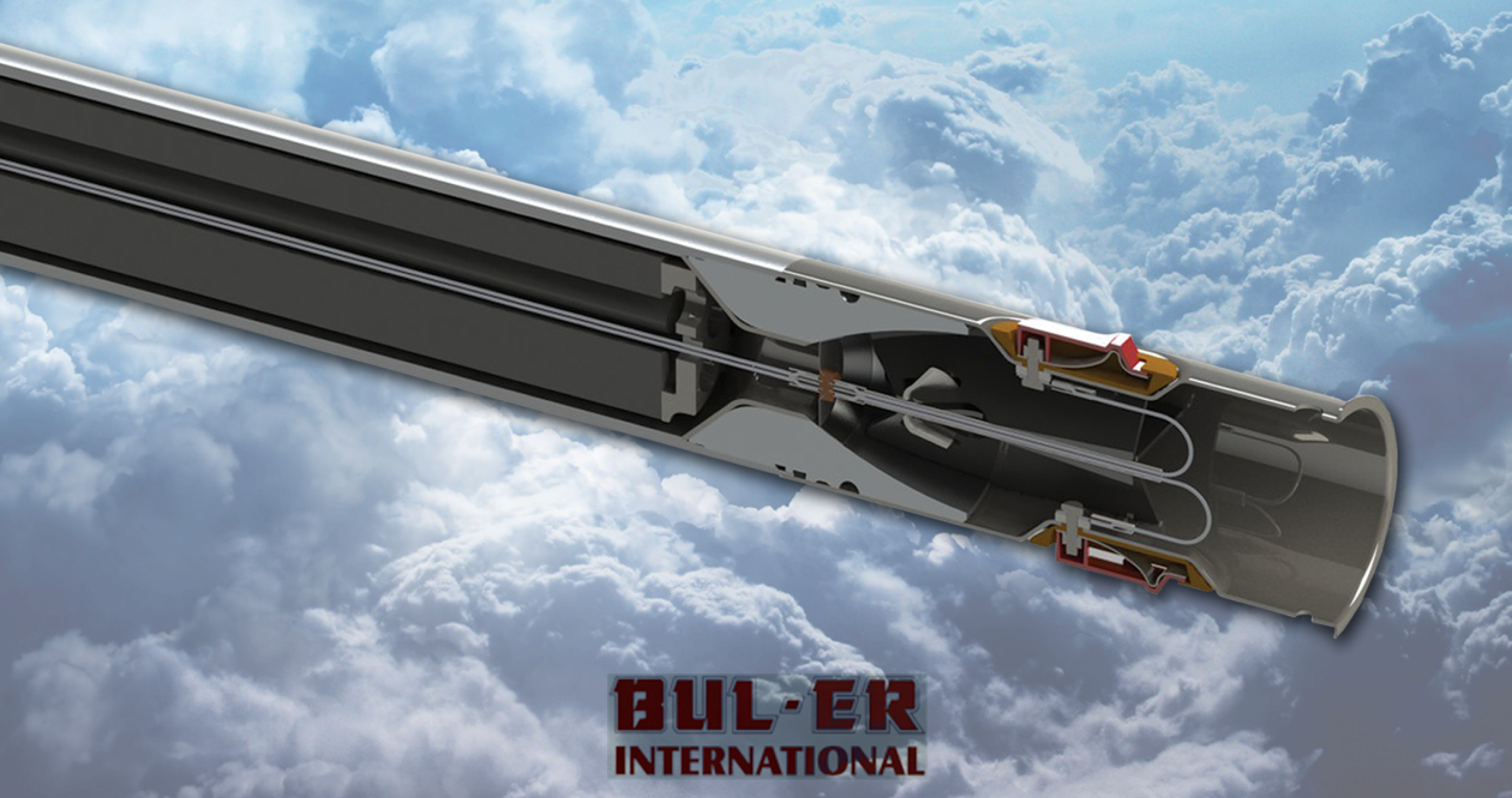
After supplying an electric impulse to the contacts of the rocket, item 3 (fig. 2), an initiator, item 4, is activated, as a result of which the solid fuel, item 5, is ignited. Under the influence of the resulting increased pressure in the chamber of the rocket engine, the sealing membrane, item 6, peels off.
When sufficient thrust is reached, the rocket engine is separated from the cup, item 7 (fig. 3), and the rocket is driven guided by the block. After leaving the starting block, the feathers, pos. 8, open and remain in the open position. As long as the rocket engine is running, the rocket moves due to the jet force. After the completion of the rocket engine, the rocket continues its motion by inertia.
During the action of the reactive force, the mechanism for cocking the detonator, pos. 9 (fig. 4) works. When encountering a barrier, the piezo generator of the detonator, item 10, produces an electrical impulse, which causes the electrodetonator to operate and rupture the warhead.
Storage and transport
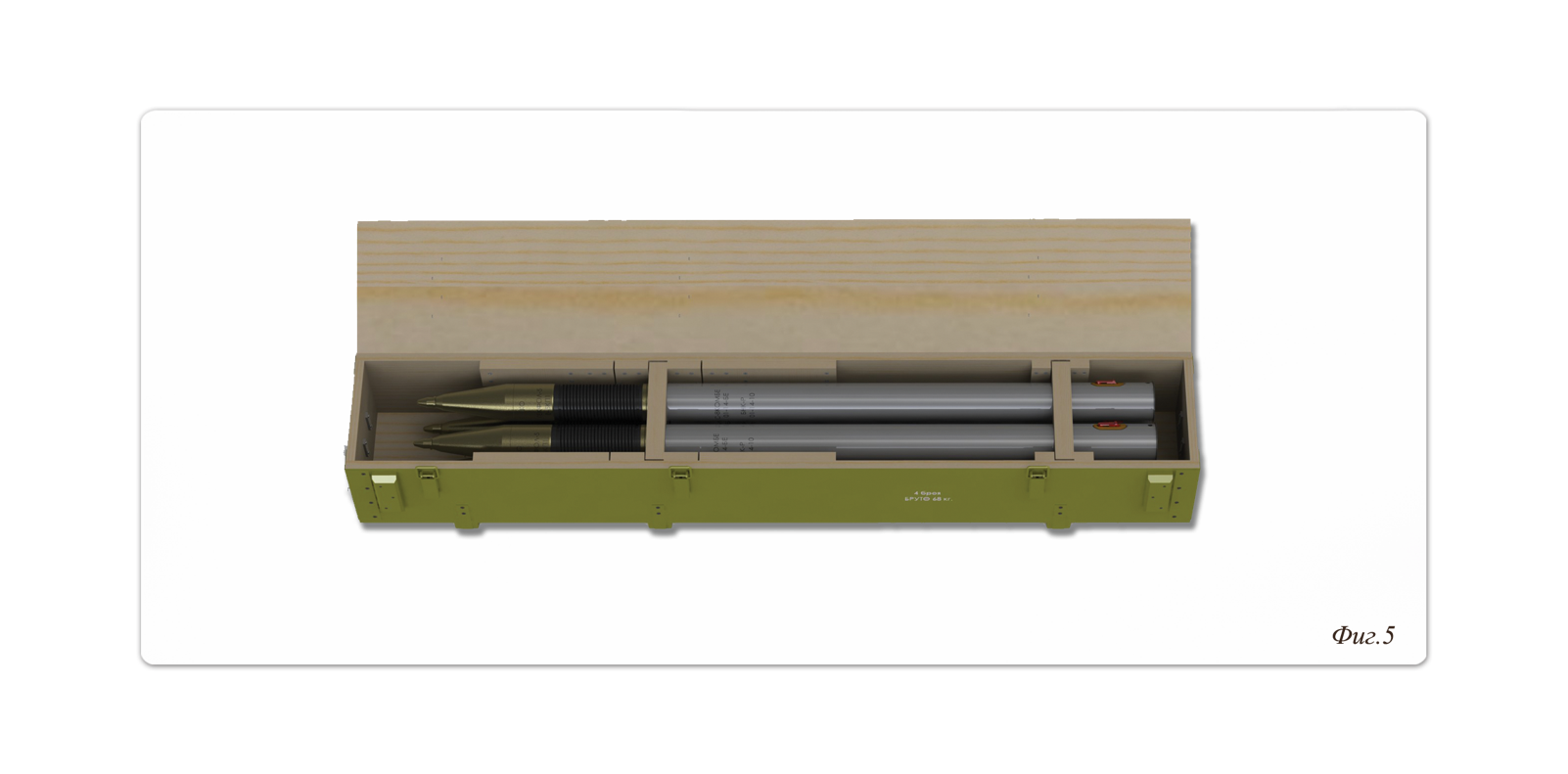
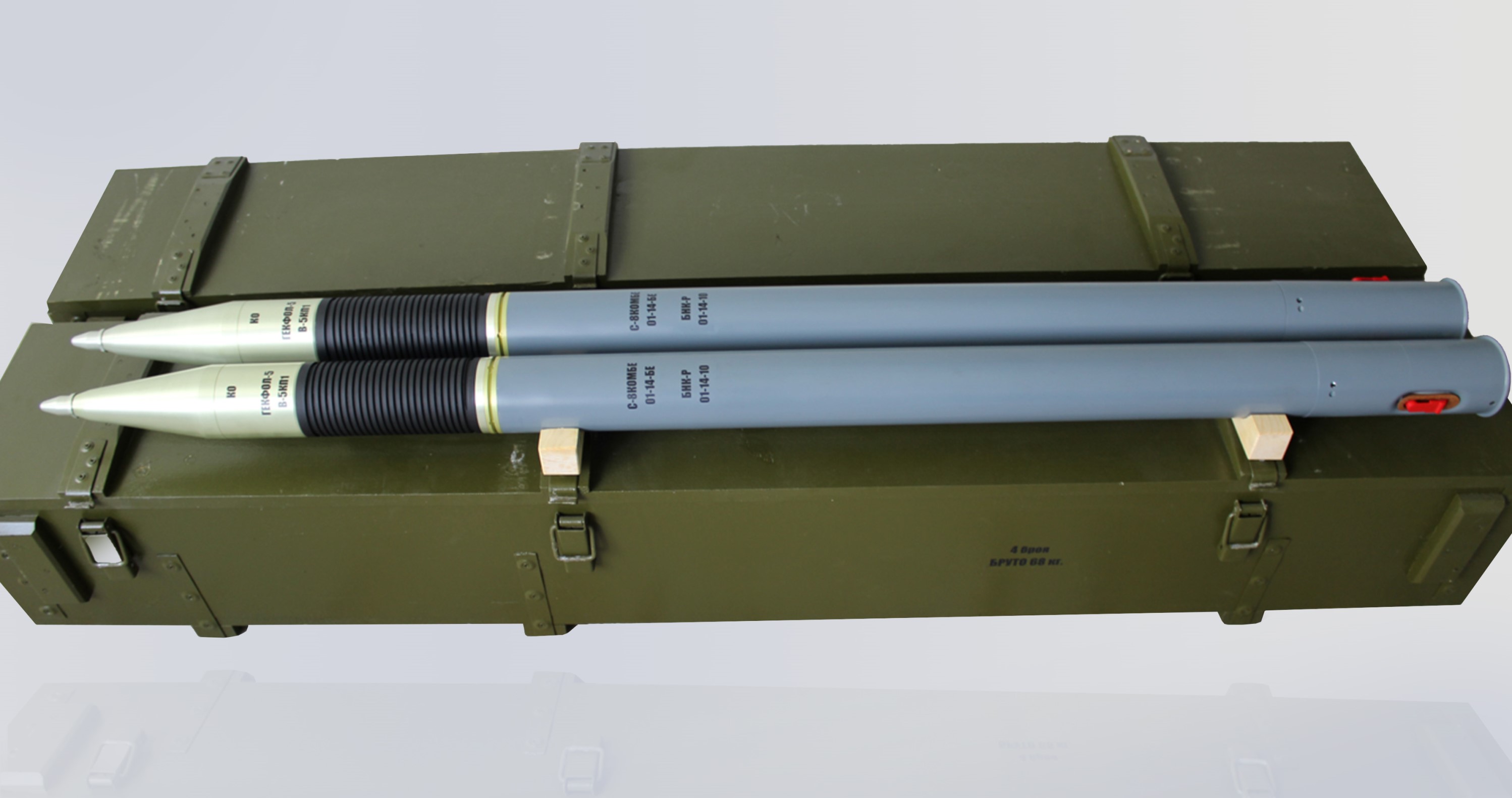
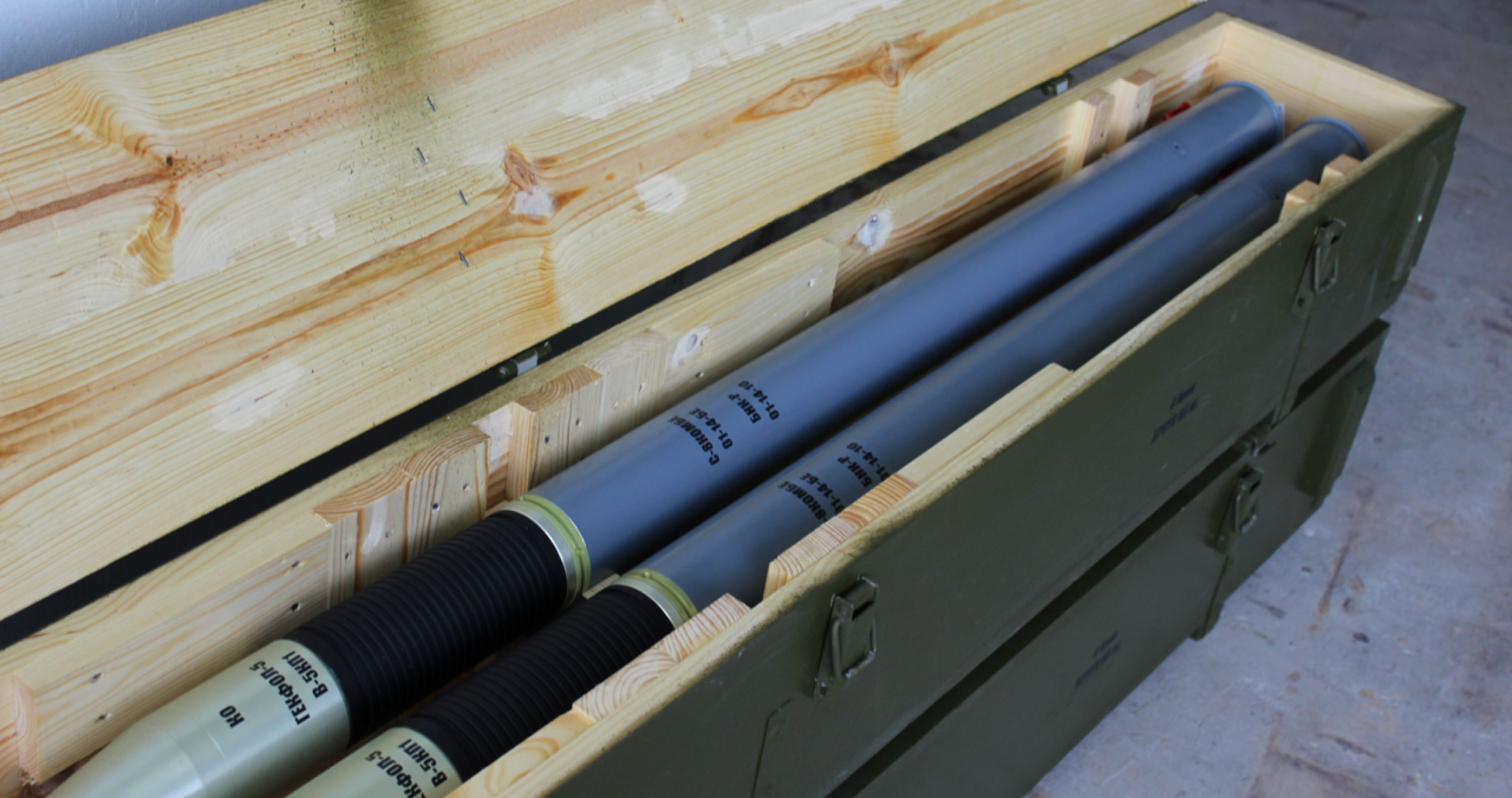
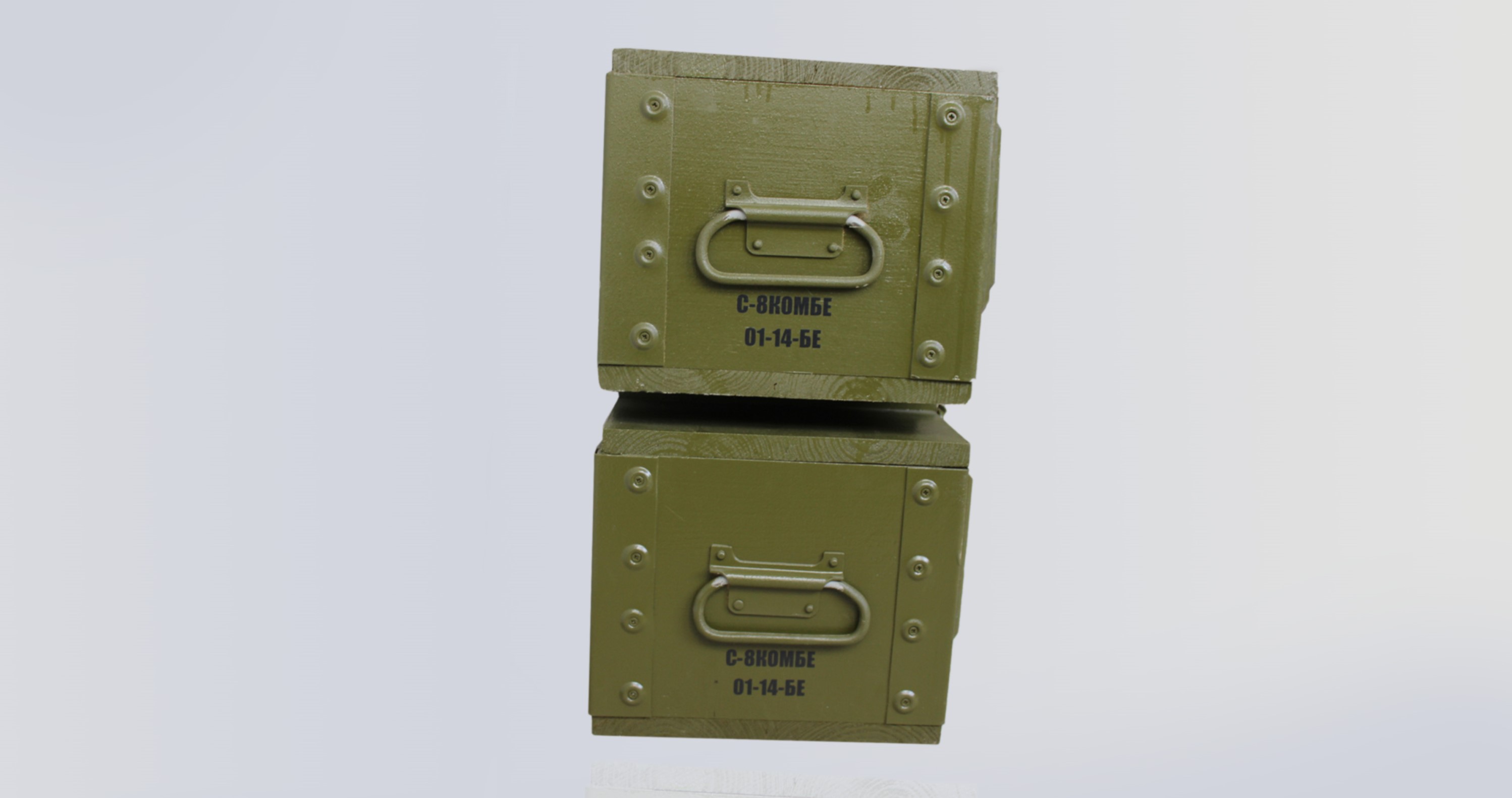
Unguided aviation missiles are stored, 4 pieces each, in wooden crates with dimensions, mm -1770x300x275, (fig. 5), in closed warehouses. In field conditions, they are stored under sheds or tarpaulins, excluding direct exposure to moisture or sunlight. Unguided aviation missiles are transported in the specified packaging by all modes of transport.
PROJECT №2